Paralympics: History, Sports, Classification, Athletes & Everything You Need to Know

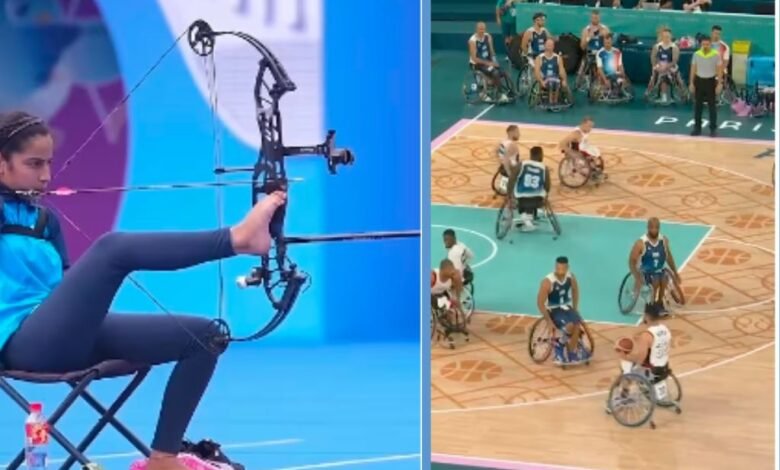
The Paralympics are among the world’s most inspiring sporting events, showcasing the extraordinary talent, determination, and resilience of athletes with disabilities. Held every four years following the Olympic Games, the Paralympic Games bring together thousands of elite competitors from around the globe to compete in a wide range of sports. More than a competition, the Paralympics celebrate inclusion, equality, and the belief that sport has the power to transform lives.
Since their beginnings in the mid-20th century, the Paralympic Games have grown into one of the largest international sporting events, attracting millions of spectators and viewers worldwide. Today, the Games feature athletes with physical, visual, and intellectual impairments competing at the highest level while inspiring future generations.
This guide explores the history of the Paralympics, how the Games work, the sports involved, athlete classification, notable achievements, and why the Paralympic Movement continues to shape the future of inclusive sport.
What Are the Paralympics?
The Paralympics are an international multi-sport competition for elite athletes with eligible disabilities. The Games are organized by the International Paralympic Committee (IPC) and are held shortly after the Olympic Games in the same host city and many of the same venues.
The word “Paralympic” comes from the Greek prefix para, meaning “beside” or “alongside,” highlighting that the Paralympic Games stand alongside the Olympic Games as a celebration of sporting excellence.
Athletes compete not because of their disabilities, but because of their remarkable athletic ability. Every event emphasizes skill, training, strategy, and determination.
History of the Paralympics
The origins of the Paralympic Movement can be traced back to 1948, when Dr. Ludwig Guttmann organized the Stoke Mandeville Games for World War II veterans with spinal cord injuries in England. The event demonstrated how sport could improve physical rehabilitation, confidence, and independence.
The movement quickly expanded as athletes from different countries joined future competitions.
A major milestone came in 1960 when Rome hosted the first official Summer Paralympic Games. Approximately 400 athletes from 23 countries participated, marking the birth of the modern Paralympic Games.
The first Winter Paralympics followed in 1976 in Sweden, introducing winter sports for athletes with disabilities.
Since 1988, the Summer Olympics and Paralympics have been hosted in the same city, sharing venues and infrastructure. This partnership has significantly increased global recognition of Para sports.
Today, the Paralympic Movement includes more than 180 participating nations and continues to promote inclusion through sport across every continent.
The International Paralympic Committee (IPC)
The International Paralympic Committee, commonly known as the IPC, governs the Paralympic Movement worldwide.
Founded in 1989 and headquartered in Bonn, Germany, the IPC is responsible for:
- Organizing the Summer and Winter Paralympic Games
- Developing Para sports internationally
- Establishing classification standards
- Promoting equal opportunities in sport
- Supporting National Paralympic Committees
- Expanding participation around the world
Its vision is to create “an inclusive world through Para sport.”
Paralympic Classification System
One feature that makes the Paralympics unique is its classification system.
Rather than grouping athletes simply by disability, the system classifies competitors according to how their impairment affects performance in a specific sport. This ensures fair competition between athletes with similar functional abilities.
Eligible impairments include:
- Limb deficiency
- Impaired muscle power
- Hypertonia
- Ataxia
- Athetosis
- Vision impairment
- Short stature
- Leg length difference
- Intellectual impairment
- Limited joint movement
Each sport has its own classification rules because different physical abilities influence different sporting events.
Summer Paralympic Sports
The Summer Paralympics include a diverse selection of sports requiring strength, speed, endurance, precision, and teamwork.
Popular Summer Paralympic sports include:
- Para athletics
- Para swimming
- Wheelchair basketball
- Wheelchair rugby
- Wheelchair tennis
- Goalball
- Boccia
- Sitting volleyball
- Para cycling
- Para rowing
- Para canoe
- Para triathlon
- Para archery
- Para powerlifting
- Para badminton
- Para taekwondo
- Shooting Para sport
- Wheelchair fencing
- Judo
- Equestrian
Many of these sports have become increasingly popular with global audiences due to their exciting competition and exceptional athletic performances.
Winter Paralympic Sports
The Winter Paralympics feature athletes competing in snow and ice events.
Current Winter Paralympic sports include:
- Para alpine skiing
- Para Nordic skiing
- Para biathlon
- Para snowboard
- Wheelchair curling
- Para ice hockey
These sports require advanced technical skills while adapting equipment to suit different impairments.
Paralympics vs Olympics
Although the Olympics and Paralympics share host cities, venues, and global attention, they differ in important ways.
The Olympics feature athletes without eligible disabilities, while the Paralympics are designed for athletes with physical, visual, or intellectual impairments.
The Paralympics also use a classification system to ensure fair competition based on functional ability.
Despite these differences, both competitions represent the highest level of international sporting achievement and inspire millions of fans worldwide.
Famous Paralympic Athletes
Throughout history, numerous Paralympians have achieved legendary status through outstanding performances.
Some of the most recognized athletes include:
Trischa Zorn (United States) – The most decorated Paralympian in history, winning dozens of medals in swimming.
David Weir (Great Britain) – One of the world’s greatest wheelchair racers with multiple Paralympic gold medals.
Tatyana McFadden (United States) – A dominant wheelchair racer who has won medals across multiple Paralympic Games.
Oksana Masters (United States) – A rare multi-sport champion who has excelled in rowing, cycling, Nordic skiing, and biathlon.
Ellie Simmonds (Great Britain) – A highly successful Paralympic swimmer known for breaking numerous world records.
These athletes have inspired millions by demonstrating extraordinary perseverance and excellence.
Paralympic Symbols
The Paralympic emblem consists of three colored shapes called Agitos.
The three Agitos represent movement and symbolize athletes coming together from across the world.
The official Paralympic motto is Spirit in Motion, reflecting determination, courage, and continuous progress.
These symbols reinforce the values of inclusion, equality, and sporting excellence.
Paralympic Values
The Paralympic Movement is built around four core values:
- Courage
- Determination
- Inspiration
- Equality
These principles encourage athletes to push beyond perceived limitations while promoting acceptance and opportunity for people with disabilities.
Memorable Paralympic Host Cities
Several cities have played an important role in Paralympic history.
Some of the most notable hosts include:
- Rome (1960)
- Seoul (1988)
- Sydney (2000)
- Beijing (2008)
- London (2012)
- Rio de Janeiro (2016)
- Tokyo (2021)
- Paris (2024)
Future editions are scheduled for Los Angeles in 2028 and Brisbane in 2032.
Each host city contributes to improving accessibility and raising awareness of disability inclusion.
Why the Paralympics Matter
The Paralympics extend far beyond medals and records.
They challenge stereotypes surrounding disability, encourage governments to improve accessibility, and demonstrate that talent is not limited by physical differences.
The Games inspire young athletes with disabilities to pursue sport while educating society about inclusion and equal opportunity.
Hosting the Paralympics often leads to long-term improvements in accessible transportation, sports facilities, education, and public awareness.
Interesting Paralympics Facts
The Paralympics have grown into one of the world’s largest sporting events.
Some interesting facts include:
- The first official Paralympics were held in 1960.
- More than 180 countries now participate in recent Summer Games.
- Thousands of athletes compete across dozens of medal events.
- The Games are broadcast to hundreds of millions of viewers worldwide.
- Wheelchair racing can reach speeds exceeding 30 km/h (about 19 mph).
- Goalball is played exclusively by athletes with vision impairments.
- Boccia is one of the few sports specifically created for athletes with severe physical disabilities.
The Future of the Paralympics
The future of the Paralympics looks brighter than ever.
Advances in sports science, adaptive technology, and broadcasting continue to increase participation and improve athletic performance.
Growing media coverage has helped attract new fans, sponsors, and investment, while schools and community programs encourage more people with disabilities to participate in sport.
As awareness continues to grow, the Paralympic Movement is expected to reach even larger global audiences and inspire future generations of athletes.
Conclusion
The Paralympics represent far more than an international sporting event. They showcase courage, resilience, skill, and determination while promoting inclusion across every level of society.
From their humble beginnings at the Stoke Mandeville Games to becoming one of the world’s premier sporting competitions, the Paralympics have transformed perceptions of disability and demonstrated that excellence is defined by dedication rather than limitation.
Whether watching elite wheelchair racers, world-class swimmers, inspiring skiers, or remarkable team sports, the Paralympic Games remind us that human potential knows no boundaries. As the Movement continues to expand, it will remain a powerful symbol of equality, opportunity, and the unifying power of sport.