Toni Arthur – Life, Career, and Legacy of a British Folk Singer and Television Presenter

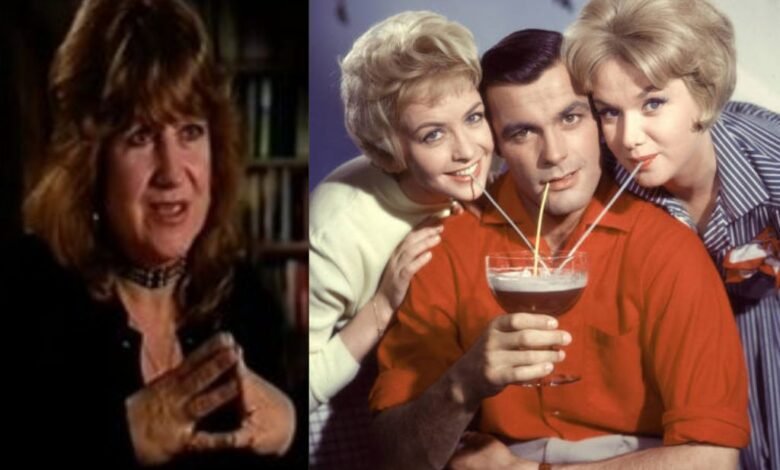
Toni Arthur is a respected British folk singer, children’s television presenter, theatre director, and author whose career spans several decades across music, broadcasting, education, and the performing arts. Known for her warm on-screen presence and deep connection to traditional British folk culture, she played an important role in shaping children’s educational television during the 1970s while also contributing significantly to the folk music revival in the United Kingdom.
Her life and work reflect a rare combination of musical talent, academic discipline, and creative storytelling. From early classical training to folk music performances and later television fame, Toni Arthur’s journey is a rich example of artistic versatility.
Early Life and Background
Toni Arthur was born as Antoinette Alice Priscilla Wilson on 27 December 1940 in Oxford, England. She grew up in a culturally supportive environment that encouraged music and learning. From a young age, she demonstrated strong musical abilities, particularly in singing and performance.
Her exceptional talent earned her a scholarship to the prestigious Royal Academy of Music when she was just nine years old. This early achievement marked the beginning of a lifelong relationship with music. At the Academy, she received formal training in classical music and performed in respected venues, including Wigmore Hall in London.
Alongside her musical training, she attended Mary Datchelor Girls School, where she continued to develop academically. Her education provided a strong foundation that later helped her transition into diverse professional fields, including teaching, broadcasting, and theatre.
Education and Early Career Path
Although music was her primary passion, Toni Arthur initially explored other professional paths. She trained as a nurse at University College Hospital in London. This decision reflected both her intellectual curiosity and her desire to engage in meaningful work beyond the arts.
However, her passion for music and performance remained strong. Eventually, she returned to the creative world, combining her academic discipline with artistic expression. This shift would later define her career trajectory in folk music and television.
Entry into Folk Music
Toni Arthur became an important figure in the British folk music revival of the 1960s and 1970s. This movement focused on preserving traditional English and Celtic songs while also introducing them to new audiences.
She began performing with her then-husband, folk musician Dave Arthur. Together, they formed a musical partnership that blended traditional storytelling with acoustic folk arrangements. Their performances were known for authenticity, emotional depth, and respect for traditional material.
Folk Albums and Contributions
Toni Arthur released several influential folk recordings, including:
- Morning Stands on Tiptoe (1967)
- The Lark in the Morning (1969)
These albums featured traditional English folk songs and ballads, often reinterpreted with simple but expressive arrangements. Her voice became recognized for its clarity and emotional warmth, making her a distinctive figure in the folk music scene.
Her work with Dave Arthur also included collecting and preserving traditional songs from rural England, contributing to cultural preservation efforts during a time when folk traditions were at risk of fading.
Rise to Television Fame
Toni Arthur’s transition into television marked a major turning point in her career. In the 1970s, she became a presenter for the BBC’s popular children’s programmes.
Play School and Play Away
She is best remembered for her work on:
- Play School (BBC)
- Play Away (BBC)
These shows were designed to educate and entertain young children through storytelling, music, and interactive learning. Toni Arthur’s background in music made her an ideal presenter, as she frequently incorporated singing and folk traditions into her segments.
Her presenting style was calm, engaging, and nurturing, which made her highly popular with both children and parents. She had a natural ability to communicate complex ideas in a simple and friendly way, helping shape early childhood educational broadcasting in the UK.
Other Television and Media Work
Beyond children’s programming, Toni Arthur also contributed to various media projects. She appeared on radio and television programs such as:
- Woman’s Hour
- Early morning television broadcasts, including TV-am segments
Her versatility allowed her to move between entertainment, education, and discussion-based programming with ease. She often brought cultural and musical insights into her media appearances, reinforcing her reputation as a knowledgeable and thoughtful presenter.
Theatre and Directing Career
Later in her career, Toni Arthur expanded into theatre direction and production. She developed a strong interest in storytelling through live performance, particularly works that explored real-life stories and historical figures.
One of her notable directing projects was:
- “A Very Naughty Boy” (2003) – a theatre production about comedian Graham Chapman of Monty Python fame.
The production was well-received and showcased her ability to transition from performer to director. It was performed at the Edinburgh Festival Fringe, one of the most important arts festivals in the world.
Her theatre work reflected her ongoing interest in narrative structure, character development, and cultural history.
Writing and Literary Contributions
In addition to music and television, Toni Arthur also worked as an author. She wrote educational and cultural books aimed at children and families.
One of her notable works includes:
- All the Year Round: A Compendium of Games, Customs and Stories (1981)
This book explores seasonal traditions, folklore, and childhood games from British culture. It reflects her deep interest in preserving cultural heritage and passing it on to younger generations.
Her writing style is accessible and informative, often blending storytelling with historical explanation. Like her television work, her books are designed to educate while entertaining.
Personal Life
Toni Arthur’s personal life is closely connected to her professional journey.
She married folk musician Dave Arthur in 1963. The couple shared both a musical partnership and family life. They had two sons, Jonathan and Tim Arthur. Their marriage lasted until 1977.
Later in life, she married Malcolm Hay in 1996. Her family connections have remained an important part of her life, and her children have also pursued creative and professional careers.
Her son Tim Arthur became a well-known media executive and radio presenter, continuing the family’s involvement in the creative industries.
Legacy and Influence
Toni Arthur’s legacy is multi-layered. She is remembered not only as a performer but also as an educator and cultural contributor.
Key Areas of Influence
- Folk Music Preservation: Helped preserve traditional British folk songs
- Children’s Education: Played a major role in BBC educational programming
- Cultural Storytelling: Promoted storytelling through music and television
- Theatre Direction: Contributed to innovative stage productions
- Literary Work: Documented folklore and traditions for younger audiences
Her work remains relevant in discussions about the evolution of British children’s television and folk music revival movements.
She is also recognized for her ability to adapt across multiple creative fields while maintaining a consistent focus on education, storytelling, and cultural preservation.
Conclusion
Toni Arthur’s career is a testament to artistic versatility and cultural dedication. From her early beginnings as a classically trained musician to her influential role in British television and theatre, she has consistently contributed to the arts in meaningful ways.
Her work continues to be appreciated by audiences who value traditional music, educational broadcasting, and cultural storytelling. She remains an important figure in the history of British folk culture and children’s media.