A small seed that looks ordinary at first glance has traveled through centuries of traditional medicine, kitchens, and modern scientific research. Foenegriek, commonly known as fenugreek, continues to attract global attention because of its remarkable nutritional profile and wide range of uses. From boosting digestion to supporting metabolic health, this humble herb has earned a strong place in both culinary and medicinal traditions.
Despite its long history, many people still underestimate how versatile foenegriek really is. Its seeds, leaves, and extracts are used across cultures, not only as food but also as natural remedies. Today, it stands at the intersection of traditional wisdom and modern nutritional science.
Understanding Foenegriek: What Makes It Special?
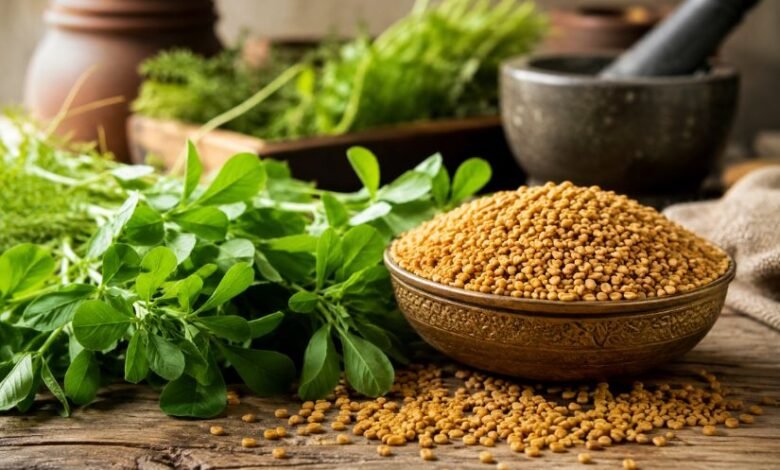
Foenegriek (Trigonella foenum-graecum) is an herb belonging to the legume family. It is cultivated widely in regions such as South Asia, the Mediterranean, and parts of the Middle East. In many countries like Pakistan and India, it is known as “methi.”
The plant grows up to about 2–3 feet tall and produces small green leaves, white or yellow flowers, and long seed pods. Inside these pods are hard, golden-brown seeds that carry most of the plant’s medicinal value.
What makes foenegriek unique is its combination of nutrients and plant compounds. It contains fiber, protein, iron, magnesium, and bioactive compounds like saponins and alkaloids. These elements work together to produce its health-supporting effects.
Historical Roots: A Herb Used for Thousands of Years
Foenegriek is not a modern discovery. Its history goes back thousands of years.
Ancient Egyptians used it for embalming and medicinal purposes. Greek and Roman physicians recommended it for respiratory and digestive conditions. In Ayurvedic medicine, fenugreek has long been used to balance bodily systems and improve overall wellness.
Traditional Chinese medicine also recognized its warming properties and used it for kidney-related conditions and energy balance.
This long-standing global usage shows that foenegriek has consistently been valued across civilizations for its healing potential.
Nutritional Powerhouse Hidden in Small Seeds
One of the most impressive features of foenegriek is its nutritional density. Although the seeds are small, they contain a wide variety of essential nutrients.
Foenegriek seeds typically provide:
- Dietary fiber that supports digestion
- Plant-based protein
- Iron, which is important for blood health
- Magnesium and manganese for metabolic functions
- Natural plant compounds with antioxidant activity
The high fiber content is particularly important because it helps regulate blood sugar levels and improves digestive function. This combination of nutrients makes foenegriek more than just a spice—it is a functional food.
Health Benefits of Foenegriek
Over the years, foenegriek has gained attention for its wide range of health-related applications. While traditional use is strong, modern research also supports many of its benefits.
1. Supports Blood Sugar Control
One of the most studied benefits of foenegriek is its potential role in managing blood glucose levels. The soluble fiber in the seeds slows down carbohydrate digestion and absorption. This can help reduce blood sugar spikes after meals.
Some studies suggest that regular use of fenugreek seeds may improve insulin sensitivity in people with type 2 diabetes. However, it is not a replacement for medical treatment but may serve as a supportive dietary addition.
2. Improves Digestive Health
Foenegriek has long been used as a natural remedy for digestive issues. Its high fiber content helps regulate bowel movements and reduce constipation.
The seeds also have a soothing effect on the stomach lining, which may help with mild indigestion or discomfort. In traditional medicine, fenugreek tea or soaked seeds are commonly used for gut cleansing and digestive balance.
3. May Support Hormonal Balance
Foenegriek is sometimes associated with hormonal health, particularly in men. Some studies have explored its potential effect on testosterone levels and physical performance.
While results are mixed, certain compounds in fenugreek may influence hormone-related activity in the body. This is an area of ongoing research, and more evidence is needed for strong conclusions.
4. Helps in Lactation Support
One of the most traditional uses of foenegriek is increasing breast milk production in nursing mothers. In many cultures, fenugreek tea or supplements are recommended for this purpose.
Although scientific evidence varies, many women report positive effects. It is still important that use during lactation is guided by medical advice.
5. Supports Heart Health
Foenegriek may contribute to heart health by helping reduce cholesterol levels. The soluble fiber binds with cholesterol in the digestive system, potentially lowering LDL (bad cholesterol).
This effect, combined with its antioxidant properties, may help support cardiovascular health over time.
Culinary Uses: More Than Just Medicine
Foenegriek is widely used in cooking, especially in South Asian cuisine. Both the seeds and leaves are used in different dishes.
- Seeds are used in spice blends, pickles, and seasoning mixes
- Leaves (fresh or dried) are used in curries, breads, and vegetables
- It adds a slightly bitter yet aromatic flavor to food
In some cuisines, fenugreek seeds are roasted to reduce bitterness and enhance flavor. The leaves, known as methi, are especially popular in dishes like parathas and curries.
Interestingly, fenugreek also contains a compound that can resemble the taste of maple syrup when processed, which is why it is sometimes used in artificial flavoring.
Chemical Composition and Active Compounds
The health effects of foenegriek are linked to its bioactive compounds. These include:
- Saponins, which may help with cholesterol regulation
- Alkaloids such as trigonelline, which may influence metabolism
- Flavonoids, known for antioxidant properties
- Soluble fiber gums that support digestion and blood sugar control
These compounds work together, making fenugreek effective in multiple biological processes.
Possible Side Effects and Precautions
Although foenegriek is generally safe when used in food amounts, excessive intake may lead to some side effects.
- Digestive issues such as bloating or gas
- Strong body odor resembling maple syrup
- Possible lowering of blood sugar levels beyond safe limits
- Allergic reactions in sensitive individuals
Pregnant women are usually advised to avoid high doses without medical supervision. People on diabetes medication should also monitor their blood sugar carefully when using fenugreek supplements.
Modern Scientific Interest
In recent years, foenegriek has gained attention from researchers studying natural alternatives for metabolic health, digestion, and inflammation.
While traditional knowledge strongly supports its benefits, modern studies are still exploring dosage, safety, and long-term effects. This combination of traditional and scientific interest is what keeps fenugreek relevant in today’s health discussions.
Why Foenegriek Remains Relevant Today
What makes foenegriek particularly important in modern times is its simplicity. It is natural, affordable, and widely available. Unlike many synthetic supplements, it has been part of human diets for centuries.
Its versatility allows it to be used in multiple ways—food, tea, powder, or extract. This adaptability ensures that it continues to remain a valuable herb in both traditional households and modern wellness practices.
Conclusion
Foenegriek stands as a powerful example of how nature provides solutions that remain relevant across generations. From ancient civilizations to modern research laboratories, this small seed has maintained its reputation as a multi-purpose herb.
Its benefits for digestion, blood sugar regulation, and general wellness make it a valuable addition to daily diets. However, like all natural remedies, it works best when used in balance and with awareness.
As interest in natural health continues to grow, foenegriek is likely to remain an important part of global nutrition and herbal medicine discussions.