Koriandri: The Ancient Herb That Transformed Global Cuisine and Flavor Traditions

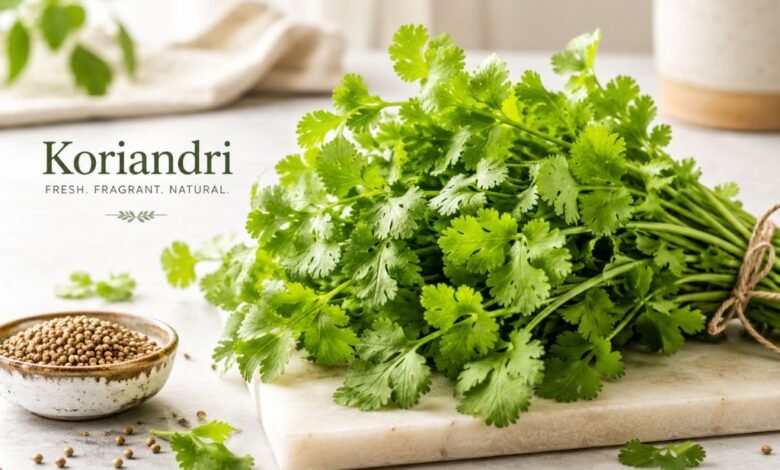
A single fragrant leaf has managed to travel through centuries, kitchens, and civilizations without losing its identity. Its aroma can divide opinions instantly, yet it remains one of the most widely used herbs on the planet. Koriandri carries this unusual power of being both ordinary and extraordinary at the same time, sitting quietly in daily meals while shaping global cuisines in ways most people never notice.
Also Read About: Newsflashburst com
What makes Koriandri unique
Koriandri is not just another herb placed on top of food for decoration. It is a plant that carries two distinct culinary identities within a single species. Its leaves deliver a sharp, citrus-like freshness while its seeds transform into a warm, earthy spice. This dual personality makes Koriandri one of the rare ingredients that can function as both a herb and a spice depending on how it is used.
The uniqueness of Koriandri also lies in its ability to blend into almost every cuisine style. Whether it is sprinkled over a hot bowl of soup, ground into spice blends, or mixed into chutneys, it adapts effortlessly. Its aroma is immediate, recognizable, and powerful enough to influence the entire flavor structure of a dish without dominating it completely.
Botanical identity of Koriandri
Koriandri comes from the plant scientifically known as Coriandrum sativum. It belongs to the Apiaceae family, which also includes parsley, dill, and fennel. This family of plants is known for its aromatic qualities and culinary importance across many cultures.
The plant itself is an annual herb, meaning it completes its life cycle within one growing season. It grows quickly and produces both leafy greens and seed pods. The leaves are delicate and soft, while the stems are thin but structured enough to support its flowering stage. As the plant matures, small white or pale pink flowers appear, eventually transforming into round seeds known for their strong aroma.
Plant structure
The structure of Koriandri is simple yet efficient. Its roots anchor into well-drained soil while its stem grows upward with branching leaves that spread outward. Each leaf is finely divided, giving it a feather-like appearance. This structure increases the surface area, allowing the plant to absorb sunlight effectively and produce its distinctive aroma oils.
The flowers form in small clusters that attract pollinators. Once pollinated, they develop into green seeds that gradually turn brown as they dry. These seeds contain essential oils responsible for the warm, slightly sweet flavor that defines coriander spice.
Seeds vs leaves
The most fascinating aspect of Koriandri lies in the contrast between its leaves and seeds. The leaves are fresh, sharp, and slightly peppery with a citrus undertone. They are often used raw or added at the end of cooking to preserve their delicate flavor.
The seeds, however, undergo a complete transformation in taste and aroma. Once dried, they develop a warm, nutty, and slightly citrusy profile with subtle sweetness. When roasted or ground, their flavor deepens further, making them a foundational spice in many traditional blends.
Historical journey of Koriandri
The history of Koriandri stretches back thousands of years. Archaeological evidence suggests that it was used in ancient civilizations across the Mediterranean, Middle East, and parts of Asia. Its presence has been documented in ancient texts and traditional remedies, showing that it was valued not only for its flavor but also for its perceived healing properties.
Egyptian tombs have revealed traces of coriander seeds, suggesting that Koriandri was considered important in burial rituals. In ancient Greece and Rome, it was widely used both as a culinary ingredient and as a medicinal herb. Traders carried it along ancient trade routes, helping it spread across continents.
Over time, Koriandri became deeply embedded in regional cuisines. In South Asia, it evolved into a daily cooking essential. In the Middle East, it became part of spice blends used in meats and stews. In Latin America, the leaves became a signature ingredient in fresh sauces and salsas.
Culinary importance of Koriandri
Koriandri holds a central position in global cooking traditions. It is one of the few ingredients that can be used in multiple forms within the same dish without causing flavor imbalance. Its leaves are often added at the end of cooking to preserve freshness, while its seeds are used early in the cooking process to build depth.
The adaptability of Koriandri makes it essential in both home cooking and professional kitchens. It acts as a bridge between spices, enhancing flavors while adding its own distinct aroma.
Global cuisines
In South Asian cuisine, Koriandri is used extensively in curries, chutneys, and garnishes. It adds freshness to rich and spicy dishes, balancing heavy flavors. In Middle Eastern cooking, it is often combined with cumin, garlic, and other spices to create aromatic meat dishes and stews.
Latin American cuisine uses Koriandri leaves as a core ingredient in salsa, guacamole, and soups. The freshness of the leaves complements the bold flavors of chilies and lime. In European cooking, coriander seeds are used in bread, sausages, and pickling mixtures, adding warmth and complexity.
Flavor profile chemistry
The flavor of Koriandri is influenced by natural compounds found in its essential oils. The leaves contain aldehydes that give a fresh, slightly citrus-like aroma. These compounds are volatile, which is why the flavor changes when exposed to heat.
The seeds contain different oils that create a warm and slightly sweet profile. When roasted, these oils release deeper aromatic notes that enhance savory dishes. This chemical diversity is what allows Koriandri to function in so many culinary roles.
Nutritional composition and benefits
Koriandri is not only valued for its flavor but also for its nutritional properties. It contains vitamins, minerals, and antioxidants that contribute to its traditional use in wellness practices.
The leaves are rich in vitamin A, vitamin C, and vitamin K. These nutrients support immune health, skin function, and blood clotting processes. The seeds contain dietary fiber, iron, magnesium, and manganese, which play roles in digestion and metabolic health.
Micronutrients
The micronutrient profile of Koriandri makes it a useful addition to balanced diets. Its leaves provide antioxidants that help combat oxidative stress in the body. The seeds offer essential minerals that support enzyme activity and energy production.
These nutritional components are one reason why Koriandri has been used in traditional food systems for centuries, not just as a flavoring agent but as a supportive dietary element.
Traditional wellness uses
Across various cultures, Koriandri has been associated with digestive support and general wellness. It has been used in traditional preparations aimed at soothing the stomach and improving appetite. Some systems of traditional medicine also consider it beneficial for balancing internal heat and supporting detoxification processes.
While modern science continues to study these claims, the long-standing use of Koriandri in traditional practices highlights its cultural importance beyond cuisine.
Koriandri in modern kitchens
Modern cooking has expanded the use of Koriandri beyond traditional boundaries. Chefs now use it in fusion dishes, gourmet presentations, and experimental cuisine. The leaves are often used as a finishing herb, while seeds are incorporated into spice rubs, marinades, and sauces.
The global food industry also uses Koriandri in processed foods, seasoning blends, and packaged meals. Its ability to enhance flavor without overpowering other ingredients makes it a valuable component in food manufacturing.
Home cooks continue to rely on Koriandri for its freshness and versatility. It remains one of the most accessible herbs, commonly grown in home gardens and kitchen pots due to its fast growth and easy maintenance.
Cultivation and farming practices of Koriandri
Koriandri is considered one of the easiest herbs to cultivate. It thrives in moderate climates and can be grown in both small and large-scale agricultural systems. Its short growth cycle allows multiple harvests within a single year.
Growing at home
At home, Koriandri can be grown in pots or garden beds with well-drained soil. It requires moderate sunlight and regular watering to maintain healthy growth. Many home gardeners plant it in small batches to ensure a continuous supply of fresh leaves.
The plant grows quickly, and leaves can often be harvested within a few weeks of planting. Once it begins to flower, the leaves become less tender, signaling the transition toward seed production.
Commercial farming
On a larger scale, Koriandri is cultivated for both leaf production and seed harvesting. Farmers often choose specific varieties depending on the intended use. Leaf production focuses on quick growth and tender foliage, while seed production requires allowing the plant to fully mature.
Harvesting is carefully timed to ensure maximum flavor retention. Seeds are collected once they dry on the plant, while leaves are harvested before flowering for optimal freshness.
Myths, taste variation, and genetic factor
One of the most interesting aspects of Koriandri is the variation in how people perceive its taste. While many describe it as fresh and citrus-like, others experience a soapy or bitter flavor. This difference is linked to genetic variation in olfactory receptors.
Certain genes influence how aldehyde compounds in Koriandri leaves are detected by the human nose and taste system. This explains why the same herb can be loved intensely by some individuals and disliked by others.
Cultural exposure also plays a role. People who grow up eating Koriandri regularly tend to develop a preference for its flavor, while those unfamiliar with it may find it unusual at first.
Storage and preservation of Koriandri
Fresh Koriandri leaves are delicate and tend to wilt quickly if not stored properly. To preserve freshness, they are often kept in cool, moist environments or wrapped to retain humidity. Proper storage helps maintain flavor and texture for a longer period.
Seeds, on the other hand, are much more stable. Once dried, they can be stored for long durations without losing their essential aroma. Grinding seeds just before use helps retain maximum flavor intensity, making them more aromatic in cooking applications.
Closing perspective on Koriandri
Koriandri stands as a remarkable example of how a simple plant can influence global food culture in profound ways. Its ability to transform from a fresh herb into a warm spice gives it a rare culinary identity. From ancient civilizations to modern kitchens, it continues to hold its place as a fundamental ingredient that connects tradition, flavor, and nutrition in a single green leaf.