FDA Deodorant Recall: Complete Guide to the 2025 Power Stick Recall, Causes, Safety Risks, and Consumer Advice

A routine morning often begins with simple habits that most people never question. Applying deodorant is one of those everyday rituals that feels completely safe and familiar. That confidence can quickly disappear when headlines announce an fda deodorant recall, leaving consumers wondering whether the product sitting in their bathroom cabinet is safe to use. Questions about health risks, manufacturing standards, contaminated ingredients, and product quality naturally follow whenever the U.S. Food and Drug Administration publishes a recall notice.
Recent deodorant recalls have attracted significant public attention because they involve products used daily by millions of people. Some recalls have been connected to manufacturing deficiencies, while others have involved concerns about chemicals such as benzene in aerosol products. Although not every recalled deodorant presents an immediate health threat, every FDA recall serves an important purpose by protecting consumers and ensuring manufacturers meet strict quality standards.
Understanding how an FDA recall works, why deodorants are recalled, and what consumers should do after discovering they own an affected product can eliminate confusion and reduce unnecessary worry. This guide explores every aspect of the fda deodorant recall, including recent recalls, manufacturing regulations, potential health concerns, consumer rights, and practical safety recommendations.
Understanding the FDA Deodorant Recall
The fda deodorant recall refers to official recall actions involving deodorants or antiperspirants that fail to meet federal safety or manufacturing requirements. While many recalls are voluntary and initiated by manufacturers, they are conducted under FDA oversight to protect public health.
A recall does not always indicate that a product has already caused injuries or illnesses. Many recalls occur as precautionary measures after inspections reveal problems that could potentially affect product quality or consumer safety. Manufacturers are expected to identify issues quickly, notify regulatory authorities, and remove affected products from stores before more serious problems develop.
The FDA oversees cosmetic products differently than prescription medications, but manufacturers are still expected to follow quality manufacturing practices that reduce the likelihood of contamination, labeling mistakes, or production failures.
Why the FDA Issues Deodorant Recalls
Several different situations can trigger an fda deodorant recall, depending on the nature and severity of the issue.
Manufacturing violations remain one of the most common reasons. If inspectors discover that a production facility is not following Current Good Manufacturing Practice requirements, the products produced there may be recalled even when no injuries have been reported. These standards exist to ensure consistency, cleanliness, accurate ingredient control, and product integrity.
Chemical contamination represents another possible cause. Certain recalls have occurred because laboratory testing detected chemicals that should not be present or exceeded acceptable safety limits. Contamination may result from raw materials, packaging, manufacturing equipment, or aerosol propellants.
Incorrect labeling can also lead to recalls. Labels must accurately list ingredients, directions, warnings, and other essential information so consumers understand exactly what they are purchasing and how to use it safely.
Packaging defects, stability concerns, microbial contamination, and quality control failures may also result in recall actions.
Recent FDA Deodorant Recall Involving Power Stick Products
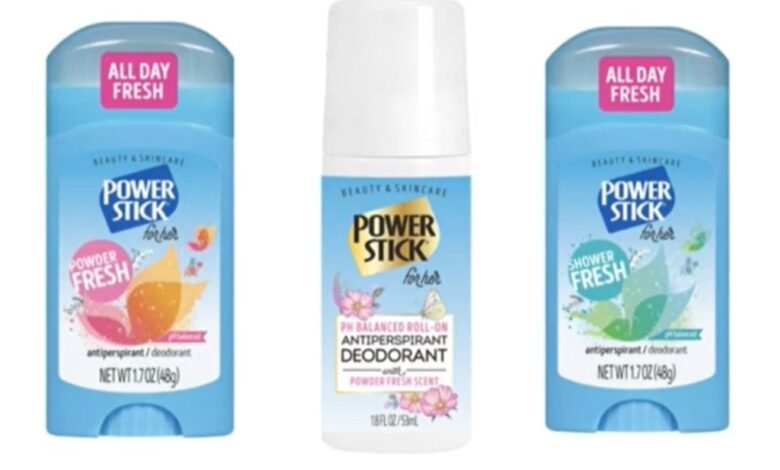
One of the most widely discussed examples of an fda deodorant recall occurred in 2025 when A.P. Deauville voluntarily recalled more than sixty-seven thousand cases of selected Power Stick roll-on deodorants distributed throughout the United States.
The recall affected several popular products sold through national retailers and online marketplaces. Unlike earlier aerosol recalls involving benzene concerns, this recall centered primarily on manufacturing compliance issues related to Current Good Manufacturing Practice regulations.
Importantly, regulatory announcements did not indicate widespread reports of injuries or confirmed contamination. Instead, the recall reflected deficiencies identified during manufacturing oversight, demonstrating how FDA enforcement emphasizes prevention rather than waiting until consumers experience harm.
The affected products were distributed nationwide, making the recall especially significant because of the large number of consumers potentially impacted.
Understanding Current Good Manufacturing Practice Standards
Current Good Manufacturing Practice regulations, commonly known as cGMP, establish strict expectations for manufacturers producing products intended for consumers.
These regulations require facilities to maintain clean production environments, validate manufacturing processes, monitor equipment performance, train employees properly, control raw materials, document production records, and perform regular quality testing.
When a manufacturer fails to comply with these standards, the FDA may determine that products cannot be guaranteed to meet expected quality levels. Even without evidence of contamination, regulatory agencies often consider recalls appropriate because consumers deserve confidence that products have been produced under acceptable conditions.
Strong manufacturing practices reduce the likelihood of contamination, incorrect formulations, packaging mistakes, and inconsistent product performance.
Previous FDA Deodorant Recalls and Benzene Concerns
The fda deodorant recall has gained additional public attention because earlier recalls involved concerns regarding benzene contamination in aerosol deodorants and antiperspirants.
Several major brands voluntarily recalled aerosol products after testing identified elevated levels of benzene. These recalls affected well-known products sold throughout the United States and prompted increased consumer awareness regarding cosmetic safety.
Unlike the Power Stick recall, which involved manufacturing compliance issues, benzene-related recalls focused specifically on the presence of a chemical that should not normally appear in finished deodorant products except under limited unavoidable circumstances.
The distinction between manufacturing violations and chemical contamination is important because different recalls involve different levels of potential health concern.
What Is Benzene?
Benzene is an industrial chemical commonly used in manufacturing various products. It is not intentionally added to deodorants as an active ingredient.
Health experts classify benzene as a carcinogen because long-term exposure to high concentrations has been associated with an increased risk of certain blood cancers and disorders affecting bone marrow.
Consumers should remember that risk depends on multiple factors, including concentration, frequency of exposure, duration, and individual circumstances. Simply hearing the word benzene does not automatically mean a recalled product poses immediate danger.
Most benzene-related recalls have been precautionary measures intended to eliminate unnecessary exposure before significant health risks develop.
Roll-On Deodorants Versus Aerosol Deodorants
Many consumers have questioned whether roll-on deodorants are safer than aerosol products following several high-profile recalls.
The answer is more complex than simply comparing product types. Roll-on deodorants and aerosol deodorants use different manufacturing methods and packaging systems, which means they present different production challenges.
Aerosol products rely on pressurized propellants that may introduce unique manufacturing considerations. Roll-on deodorants use liquid formulations applied directly through rolling mechanisms, creating different quality control requirements.
Neither category is automatically safer than the other. Product safety depends primarily on manufacturing quality, ingredient integrity, facility compliance, and ongoing testing rather than packaging style alone.
Health Risks Associated with Recalled Deodorants
The potential health effects of an fda deodorant recall depend entirely on the reason for the recall.
Some recalls involve administrative or manufacturing issues that may never cause physical harm. Others may involve contamination capable of producing skin irritation, allergic reactions, or chemical exposure concerns.
Individuals with sensitive skin may notice redness, itching, burning sensations, or irritation after using certain products. Those reactions can occur even without a recall because personal skin sensitivity varies significantly between individuals.
Chemical contamination recalls may receive greater public attention because they involve substances not intended to be present in finished products. Even then, health authorities evaluate actual exposure levels before determining the seriousness of the situation.
Consumers should avoid assuming every recalled deodorant presents immediate danger while still taking recall notices seriously.
How the FDA Recall Process Works
The fda deodorant recall follows a structured regulatory process designed to protect consumers while allowing manufacturers to correct problems efficiently.
Manufacturers may discover issues during routine quality testing, internal audits, customer complaints, supplier investigations, or regulatory inspections.
Once a significant problem is identified, company officials evaluate the potential impact and notify the FDA when appropriate. The agency reviews available information, determines the scope of the issue, and oversees recall communications.
Retailers remove affected products from shelves while manufacturers notify distributors, wholesalers, and consumers. Public recall notices provide product descriptions, identifying information, recall reasons, and instructions for affected customers.
The FDA continues monitoring recall effectiveness until the company demonstrates that appropriate corrective actions have been completed.
How Consumers Can Check Whether Their Deodorant Has Been Recalled
Consumers concerned about an fda deodorant recall should begin by examining the product label carefully.
The product name, manufacturer, lot number, expiration date, and packaging details often determine whether a specific item is included in a recall announcement.
Comparing this information with official FDA recall notices provides the most reliable method of confirming whether a product has been affected.
Consumers can also contact manufacturers directly for clarification if product identification remains uncertain.
Keeping original packaging until the product has been fully used can simplify identification if future recalls occur.
What to Do If You Own a Recalled Product
Consumers who discover they own a recalled deodorant should stop using the product immediately until they understand the reason for the recall.
Manufacturers often provide instructions regarding refunds, replacements, or proper disposal. Retail stores may also accept returns depending on company policies.
If unusual skin reactions or health symptoms develop after using a recalled product, consumers should seek medical advice and report the incident through appropriate regulatory reporting systems.
Maintaining purchase receipts can simplify reimbursement, although many recall programs do not require proof of purchase.
Common Causes Behind Cosmetic Product Recalls
Cosmetic recalls extend beyond deodorants and can involve many different categories of personal care products.
Manufacturing contamination remains one of the leading causes because microorganisms, foreign materials, or production residues may enter products when facilities fail to maintain appropriate sanitation standards.
Ingredient inconsistencies represent another concern. Incorrect formulations can reduce effectiveness or create unexpected safety issues.
Packaging failures sometimes expose products to contamination during storage or transportation. Labeling mistakes may prevent consumers from recognizing allergens or following proper usage instructions.
Quality assurance systems exist specifically to identify these problems before products reach consumers, but recalls remain necessary whenever issues escape routine controls.
Consumer Confidence and Product Safety
An fda deodorant recall can understandably reduce consumer confidence, especially when widely recognized brands become involved.
However, recalls also demonstrate that safety monitoring systems are functioning as intended. Manufacturers, regulators, laboratories, retailers, and healthcare professionals work together to identify problems before they become widespread public health emergencies.
Many recalls are voluntary, meaning manufacturers cooperate with regulatory authorities instead of waiting for mandatory enforcement actions.
Transparency during recalls allows consumers to make informed decisions while encouraging companies to strengthen manufacturing practices for future production.
The Importance of Regulatory Oversight
Government oversight plays a critical role in maintaining confidence within the cosmetics industry.
Without inspections, manufacturing standards, laboratory testing, and recall procedures, consumers would have far fewer protections against unsafe or improperly manufactured products.
The FDA continuously monitors reports from manufacturers, healthcare providers, consumers, researchers, and inspectors to identify emerging safety concerns.
Regulatory oversight also encourages continuous improvement throughout the cosmetic manufacturing industry by holding companies accountable for quality expectations.
Preventing Problems Before They Reach Consumers
Manufacturers invest heavily in preventive quality systems because recalls are expensive, time-consuming, and potentially damaging to brand reputation.
Raw material testing helps identify contaminated ingredients before production begins. Equipment maintenance reduces manufacturing defects. Employee training improves production consistency. Laboratory testing verifies product quality before products enter distribution channels.
Modern manufacturing increasingly relies on automated monitoring systems capable of detecting irregularities earlier than traditional inspection methods.
Although no manufacturing system can eliminate every possible risk, preventive quality programs significantly reduce the likelihood of widespread recalls.
Consumer Tips for Choosing Safe Deodorants
Consumers can reduce uncertainty by purchasing products from reputable retailers and established manufacturers with strong quality records.
Reading product labels carefully helps identify ingredients, usage instructions, and expiration information. Avoiding damaged packaging also reduces the possibility of contamination.
Following storage recommendations can preserve product stability, especially in extremely hot or humid environments.
Consumers should also remain informed by occasionally reviewing official FDA safety announcements rather than relying solely on social media posts, where misinformation can spread rapidly during high-profile recalls.
Myths About FDA Deodorant Recalls
Several misconceptions often appear whenever an fda deodorant recall receives widespread media coverage.
One common myth suggests every recalled product is highly dangerous. In reality, recalls vary greatly in severity, and many occur as preventive actions before injuries occur.
Another misconception claims all deodorants from a recalled brand should be discarded. Most recalls apply only to specific products, production lots, or manufacturing periods rather than every item produced by a company.
Some consumers also believe recalls indicate permanent problems with a manufacturer. Many companies successfully correct deficiencies, improve production systems, and continue producing safe products afterward.
Understanding the facts behind each recall helps consumers make informed decisions rather than reacting to rumors or incomplete information.
The Future of Cosmetic Product Safety
Advances in manufacturing technology continue improving product safety throughout the cosmetics industry.
Enhanced laboratory testing methods, automated production monitoring, improved ingredient traceability, digital quality records, and stronger regulatory collaboration all contribute to earlier identification of potential problems.
Manufacturers increasingly adopt predictive quality systems capable of identifying trends before defects develop into large-scale recalls.
Consumers also benefit from faster communication through online recall databases, company websites, email notifications, and retailer alerts that provide timely updates whenever new recall actions occur.
Conclusion
The fda deodorant recall serves as an important reminder that product safety depends on rigorous manufacturing standards, continuous quality monitoring, and transparent regulatory oversight. While headlines about recalls may appear alarming, they often reflect a proactive system designed to protect consumers before widespread harm occurs. Whether a recall involves manufacturing deficiencies, labeling issues, or potential chemical contamination, the FDA’s oversight helps ensure that companies remain accountable for the quality and safety of their products.
Consumers should respond to recall announcements with informed caution rather than panic. Checking product information, following manufacturer guidance, and relying on official FDA communications are the most effective ways to stay safe. As manufacturing practices continue to improve and quality control technologies become more advanced, the cosmetics industry is better equipped than ever to identify and address potential issues before they affect the public. Staying informed about the fda deodorant recall allows consumers to make confident decisions while continuing to prioritize their health and everyday personal care.