Liver Cirrhosis ICD 10: Complete Guide to ICD-10 Codes, Diagnosis, Symptoms, Treatment, and Medical Coding

Liver disease impacts millions of people around the world. A simple code can greatly affect how a patient’s condition is recorded, treated, and reimbursed. Healthcare providers, medical coders, billing specialists, and patients often look for the liver cirrhosis ICD-10 code to find the correct diagnosis for cirrhosis and how it should be documented in clinical records. While the disease brings serious health issues, choosing the right ICD-10-CM code ensures clear communication among healthcare professionals, insurance companies, and regulatory bodies. Cirrhosis happens due to long-term liver damage, where healthy tissue is slowly replaced by scar tissue. This scarring disrupts the liver’s ability to perform crucial tasks like filtering toxins, producing proteins, storing nutrients, and aiding digestion. As cirrhosis can arise from various causes, including alcohol-related liver disease, viral hepatitis, and nonalcoholic fatty liver disease, ICD-10-CM offers multiple codes to indicate different forms of the disease. Grasping liver cirrhosis ICD-10 means more than just memorizing a diagnosis code. Proper coding involves reviewing physician notes, identifying the specific type of cirrhosis, recognizing related complications, and following official ICD-10-CM coding rules. Accurate coding enhances patient records, helps with proper reimbursement, reduces claim denials, and contributes to reliable healthcare data.
Understanding Liver Cirrhosis
Liver cirrhosis is a chronic condition marked by permanent scarring of liver tissue. Healthy liver cells are gradually replaced with fibrous scar tissue after repeated injuries over the years. As scar tissue forms, normal blood flow through the liver becomes limited, making it harder for the organ to function well. The liver carries out hundreds of essential tasks every day. It filters out toxins from the blood, processes nutrients, produces clotting factors, stores vitamins, manufactures bile, and regulates many metabolic processes. As cirrhosis worsens, these functions decline, leading to various health problems that can threaten life. Although liver cirrhosis is usually irreversible once significant scarring occurs, early diagnosis and proper treatment can slow down disease progression, enhance quality of life, and lower the risk of severe complications.
How Cirrhosis Develops
Cirrhosis generally develops slowly over many years. Ongoing inflammation harms liver cells, activating the body’s natural healing response. Instead of fully regenerating healthy tissue, repeated injury leads to scar tissue formation. As more scar tissue builds up, the liver becomes firmer, smaller, and less effective. At first, many individuals experience compensated cirrhosis, where the liver continues to carry out most of its essential functions despite damage. Eventually, the disease can progress to decompensated cirrhosis, where symptoms and complications become significantly worse.
What Does ICD-10 Mean?
ICD-10 stands for the International Classification of Diseases, Tenth Revision. In the United States, healthcare providers use the ICD-10-CM version, with “CM” meaning Clinical Modification. This standardized coding system allows physicians, hospitals, insurance companies, researchers, and government agencies to classify diseases consistently. Every diagnosis recorded during a patient visit receives a specific ICD-10 code. These codes simplify communication across healthcare systems and support insurance claims, medical research, quality reporting, and statistical analysis. When someone searches for liver cirrhosis ICD-10, they usually seek the right ICD-10-CM diagnosis code that accurately reflects a patient’s liver condition according to official coding standards.
Why ICD-10 Coding Matters
Medical coding impacts nearly every area of modern healthcare. Correct diagnosis codes help doctors communicate patient conditions effectively, enable insurance companies to process claims smoothly, and allow hospitals to maintain accurate medical records. Incorrect coding may cause delays in payments, insurance claim denials, inaccuracies in patient documentation, compliance issues during audits, and misleading healthcare statistics. Therefore, choosing the correct liver cirrhosis ICD-10 code is a critical responsibility for healthcare professionals.
Liver Cirrhosis ICD-10 Codes Explained
Several ICD-10-CM codes describe different types of liver cirrhosis. The correct code depends solely on the physician’s written diagnosis rather than assumptions made by the medical coder.
K74.60 – Unspecified Cirrhosis of Liver
CodeK74.60 stands for unspecified cirrhosis of the liver. This code is used when the physician confirms cirrhosis but does not specify a particular cause or subtype in the medical record. Healthcare providers should avoid using unspecified codes when more detailed clinical documentation exists. However, K74.60 is appropriate when the documentation genuinely lacks enough detail about the precise type of cirrhosis. Medical coders should not assign a more specific diagnosis code unless the physician clearly documents additional information that supports that choice.
K74.69 – Other Cirrhosis of Liver
Code K74.69 identifies other specified types of liver cirrhosis that do not fit into another specific ICD-10 category. This code is suitable when documentation describes a type of cirrhosis that is clearly identified but does not qualify for another designated code. Accurate documentation is vital since coding professionals must follow the physician’s diagnosis rather than independently interpreting lab results or imaging studies.
Alcoholic Cirrhosis ICD-10 Codes
Alcohol-related liver disease has its own coding category because long-term alcohol use is one of the main causes of cirrhosis worldwide. ICD-10-CM distinguishes alcoholic cirrhosis from other forms of chronic liver disease to improve clinical documentation and healthcare reporting.
K70.30 – Alcoholic Cirrhosis Without Ascites
Code K70.30 is assigned when the physician documents alcoholic cirrhosis without evidence of ascites. Ascites refers to abnormal fluid buildup in the abdominal cavity, which often develops during advanced liver disease. Using this code shows that alcohol is the documented cause of cirrhosis and confirms that ascites has not been diagnosed during the patient visit.
K70.31 – Alcoholic Cirrhosis With Ascites
Code K70.31 applies when alcoholic cirrhosis comes with ascites. Since ascites is a significant complication of advanced liver disease, documenting its presence adds crucial clinical information that affects patient management, prognosis, and reimbursement. Medical coders should carefully check physician documentation to confirm whether ascites is clearly documented before assigning this code.
Biliary Cirrhosis and Other Types
Not every patient develops cirrhosis because of alcohol use or viral hepatitis. Some people have chronic autoimmune conditions that affect the bile ducts, while others develop liver scarring due to inherited metabolic disorders or prolonged inflammation. Primary biliary disorders lead to the gradual destruction of bile ducts inside the liver. As bile flow becomes restricted, inflammation harms nearby liver tissue, eventually resulting in fibrosis and cirrhosis if untreated. Secondary biliary cirrhosis may occur after long-term blockage of bile ducts from gallstones, tumors, strictures, or other structural issues. Since the underlying cause differs from alcoholic liver disease, ICD-10-CM provides separate diagnostic categories to accurately reflect these differences. Thorough documentation of the underlying disease enables healthcare providers to select the most appropriate diagnosis code instead of defaulting to an unspecified cirrhosis classification.
Common Causes of Liver Cirrhosis
Understanding the main cause of cirrhosis is crucial for both clinical treatment and ICD-10 coding. Because several diseases can ultimately cause lasting liver damage, physicians document the primary condition whenever possible. Long-term alcohol misuse remains one of the most recognized causes of cirrhosis globally. Years of excessive alcohol intake continuously damage liver cells, eventually resulting in irreversible scarring if consumption goes unchecked. Chronic infections from hepatitis B and C also contribute significantly to cirrhosis cases. Ongoing viral inflammation slowly destroys healthy liver tissue over many years, often progressing quietly before symptoms appear. Nonalcoholic fatty liver disease and its more severe form, nonalcoholic steatohepatitis, are becoming more common due to rising obesity, diabetes, and metabolic syndrome rates. These conditions can lead to chronic inflammation that results in cirrhosis even in the absence of significant alcohol use. Other causes considered by physicians when evaluating patients with progressive liver damage include autoimmune hepatitis, hereditary hemochromatosis, Wilson disease, alpha-1 antitrypsin deficiency, and chronic bile duct disorders.
Symptoms of Liver Cirrhosis
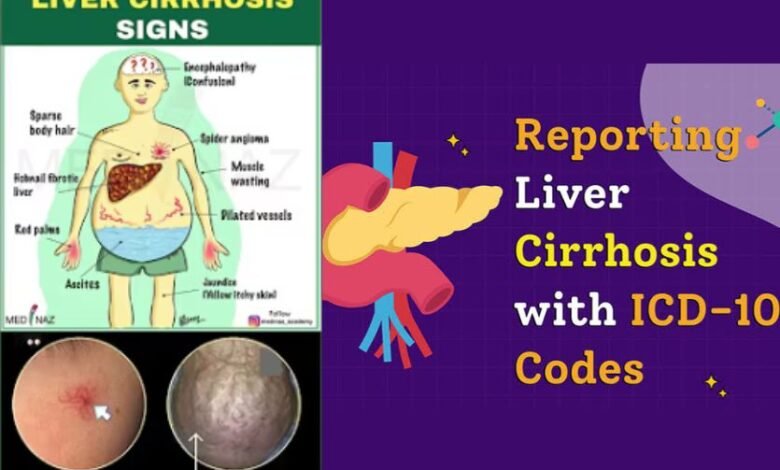
Liver cirrhosis usually develops without any obvious symptoms, so many people don’t notice anything in the early stages. As healthy liver tissue is replaced by scar tissue, the liver loses its ability to perform its important functions. Symptoms become clearer over time. Fatigue is one of the first and most common issues reported. Many patients also feel weak, have a reduced appetite, experience unexplained weight loss, feel nauseous, and have a general sense of being unwell. These symptoms can be mild and may be confused with other health problems initially. As cirrhosis worsens, more noticeable signs start to show. Jaundice causes the skin and the whites of the eyes to turn yellow due to higher bilirubin levels. Fluid buildup can cause swelling in the legs, ankles, and abdomen. Patients often notice itchy skin because bile salts accumulate under the skin. In later stages, the damaged liver can’t make enough proteins for blood clotting, which leads to easier bruising and bleeding. Some patients may experience confusion, memory problems, personality changes, or difficulty concentrating due to hepatic encephalopathy. This condition arises when toxins build up in the bloodstream as liver function declines.
Diagnosing Liver Cirrhosis
To diagnose cirrhosis, doctors carefully review a patient’s medical history, examine physical findings, review lab results, and conduct imaging studies. They use different diagnostic methods to assess the severity of the disease and discover its cause. Blood tests are typically the first step in this process. Liver function tests check enzymes and proteins that reveal important information about liver health. Other lab tests may evaluate how well the liver is clotting blood, measure bilirubin levels, check albumin production, and look for possible viral hepatitis infections. Ultrasound is commonly used because it helps doctors see the size, texture, blood flow of the liver, and any fluid buildup in the abdomen. CT scans and MRI offer more detailed anatomical information if needed. FibroScan, also called transient elastography, is a vital noninvasive tool for measuring liver stiffness. Since scar tissue is much firmer than healthy liver tissue, FibroScan helps estimate the level of fibrosis without surgery. While not always necessary, a liver biopsy remains the best way to confirm cirrhosis. A small sample of liver tissue is viewed under a microscope to assess fibrosis and identify the underlying liver disease.
Treatment Options for Liver Cirrhosis
Treatment aims to slow the progression of the disease, prevent complications, manage symptoms, and address the root cause when possible. Since scar tissue is usually irreversible, early intervention offers the best chance to protect remaining liver function. Patients with cirrhosis related to alcohol are strongly encouraged to stop drinking entirely. Continuing to consume alcohol speeds up liver damage and raises the risk of liver failure. Healthcare providers often suggest counseling, rehab programs, and ongoing support to help individuals stay sober. Patients with viral hepatitis may benefit from antiviral medications that reduce or eliminate the infection. Those with autoimmune hepatitis often need medications to lower inflammation by suppressing the immune response. Lifestyle changes are also crucial for managing the disease. Doctors often recommend maintaining a healthy weight, eating a balanced diet, limiting salt intake to reduce fluid buildup, avoiding unnecessary medications that can stress the liver, and getting vaccinations to prevent other infections. Medications may be prescribed to manage complications like fluid buildup, portal hypertension, hepatic encephalopathy, and bacterial infections. Regular monitoring helps healthcare providers catch worsening liver function before serious issues arise. For patients with end-stage liver disease, a liver transplant may be the only option for a cure. Improvements in transplant medicine have significantly boosted long-term survival rates for carefully selected patients.
Complications Associated with Liver Cirrhosis
Cirrhosis raises the risk of several serious complications. As liver function declines, other organs in the body may also be affected. Portal hypertension occurs when scar tissue restricts blood flow through the liver, causing increased pressure in the portal vein. This high pressure forces blood into smaller veins ill-suited to handle it, leading to enlarged veins called varices. Esophageal and gastric varices are particularly dangerous because they can rupture suddenly, causing severe internal bleeding that demands immediate emergency attention. Ascites is another common complication where fluid builds up in the abdominal cavity. This leads to abdominal swelling, discomfort, breathing issues, and a higher risk of infection. Hepatic encephalopathy happens when toxins that the liver usually filters build up in the blood, affecting brain function. Symptoms can range from mild forgetfulness to severe confusion and even coma. Some patients can develop hepatorenal syndrome, a serious condition marked by progressive kidney failure due to advanced liver disease. Others face a higher risk of hepatocellular carcinoma, the most common type of primary liver cancer.
Liver Cirrhosis ICD 10 Coding Guidelines
Proper application of ICD-10 codes for liver cirrhosis requires careful review of doctor documentation before assigning a diagnosis code. Medical coders should not assume the type or cause of cirrhosis based solely on lab results, imaging studies, or clinical suspicions. The physician’s documented diagnosis influences code selection. If a doctor specifies alcoholic cirrhosis, the coder should use the code for alcoholic cirrhosis instead of a non-specific cirrhosis code. Similarly, if a specific cause is noted, coders should refer to the relevant ICD-10-CM category. Documentation should also highlight important complications when present. Issues like ascites, portal hypertension, hepatic encephalopathy, liver failure, and esophageal varices may require additional diagnosis codes based on ICD-10-CM coding rules. Accurate documentation supports proper payment, enhances continuity of care, improves quality reporting, and lessens the likelihood of denied insurance claims.
Billable Versus Non-Billable Codes
ICD-10-CM differentiates between billable and non-billable codes. Billable codes have enough detail for reimbursement and clinical reporting. Non-billable codes require more specifics or additional diagnostic detail. Choosing the highest level of specificity is a crucial principle of medical coding. Healthcare providers should document every relevant detail that supports precise diagnosis classification.
Documentation Requirements for Accurate Coding
Successful medical coding starts with clear physician documentation. Each patient visit should specify the diagnosis, underlying cause, related complications, treatment plan, and essential clinical findings. Documentation should clarify whether cirrhosis is alcoholic, viral, biliary, autoimmune, metabolic, or linked to another chronic liver disease. It should also note the presence or absence of ascites since this affects code selection. Healthcare providers should record additional complications like portal hypertension, hepatic encephalopathy, gastrointestinal bleeding, liver failure, or hepatocellular carcinoma whenever these conditions are identified. Thorough documentation not only boosts coding accuracy but also aids effective communication among physicians, specialists, hospitals, insurance providers, and patients.
Common Coding Mistakes
Errors in coding liver cirrhosis often happen when documentation lacks detail or when coders choose unspecified diagnosis codes despite having sufficient clinical information. Another frequent mistake is assigning alcoholic cirrhosis codes without clear physician documentation confirming alcohol as the cause. Coders must base their choices on documented diagnoses instead of assumptions drawn from patient history. Not recording complications like ascites or hepatic encephalopathy may affect coding accuracy and reimbursement as well. Reviewing physician notes, discharge summaries, consultations, and diagnostic findings helps reduce these mistakes. Regular education on ICD-10-CM updates ensures healthcare professionals stay informed about changing coding guidelines and requirements.
Prognosis and Long-Term Outlook
The outlook for liver cirrhosis largely depends on the stage of the disease at diagnosis, the cause, and how well treatment manages liver injury. Patients with compensated cirrhosis often experience stable liver function for many years if the underlying issue is effectively managed. Stopping alcohol use, controlling viral hepatitis, maintaining a healthy weight, and following medical guidance can greatly enhance long-term results. Once decompensated cirrhosis occurs, complications become more common, and survival rates drop. Detecting worsening liver function early allows doctors to start extra treatments and consider liver transplantation when appropriate. Scoring systems like the Model for End-Stage Liver Disease (MELD) help measure disease severity and prioritize patients on the liver transplant waiting list.
Frequently Asked Questions
What is the ICD-10 code for unspecified liver cirrhosis?
The most widely used ICD-10-CM code for unspecified liver cirrhosis is K74.60, applied when the doctor documents cirrhosis without specifying a more detailed type.
What is the ICD-10 code for other cirrhosis of the liver?
K74.69 is used for other specified types of cirrhosis that don’t fit into a different ICD-10-CM category.
Is alcoholic cirrhosis coded differently?
Yes. Alcoholic cirrhosis has its own dedicated ICD-10-CM codes, such as K70.30 for alcoholic cirrhosis without ascites and K70.31 for alcoholic cirrhosis with ascites.
Can liver cirrhosis be reversed?
Permanent scar tissue usually cannot be reversed. However, treating the underlying cause can slow the disease, lower complications, and protect remaining liver function.
Why is accurate ICD-10 coding important?
Accurate coding helps ensure proper insurance payment, reliable medical records, better patient care, healthcare reporting, regulatory compliance, and effective communication among medical professionals.
Conclusion
Understanding ICD-10 coding for liver cirrhosis is crucial for healthcare providers, medical coders, billing staff, and anyone involved in clinical documentation. Choosing the correct ICD-10-CM code relies on thorough physician documentation, accurate identification of the cause, and careful acknowledgment of associated complications.