AniWave: Rise, Popularity, and the Complete Story Behind the Global Anime Streaming Giant

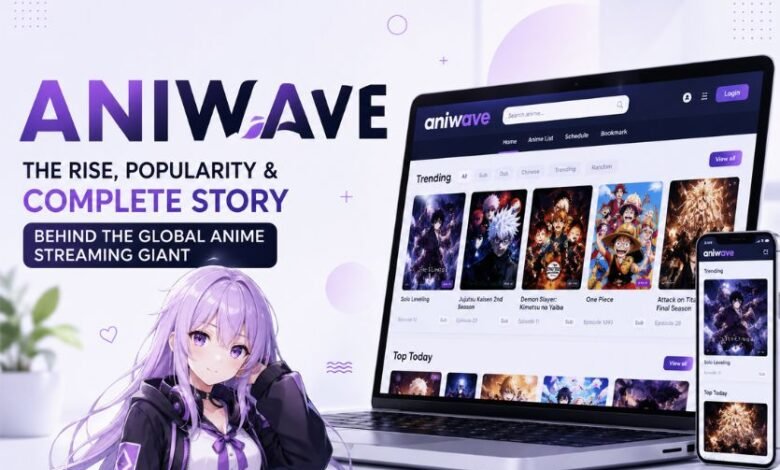
A Digital Streaming Phenomenon That Redefined Anime Access Worldwide
AniWave stands as one of the most talked-about names in the history of online anime streaming platforms. What began as a simple anime viewing website evolved into a massive global hub for millions of fans seeking free access to Japanese animation content. Its rise, transformation, and eventual shutdown reflect not only the evolution of internet streaming culture but also the ongoing battle between digital accessibility and copyright enforcement. The story of aniwave is more than just a website timeline; it is a reflection of how internet communities consume entertainment in the modern age.
Also Read: tubehalote
The Origin and Evolution of aniwave
AniWave originally emerged as part of a broader ecosystem of anime streaming websites that operated in the mid-2010s. The platform was initially known as 9anime, a name that became widely recognized among anime fans across the world. Over time, as legal pressure increased and domain takedowns became more frequent, the platform rebranded itself into aniwave in 2023.
The rebranding was not just cosmetic. It represented an attempt to maintain continuity while avoiding detection and enforcement actions targeting piracy-related domains. Despite the name change, the core functionality remained the same, offering users access to a large catalog of anime series and films through embedded streaming links. This transition helped the platform survive for a limited period even as scrutiny increased globally.
The Rise of aniwave in the Anime Community
AniWave quickly gained traction due to its simplicity and accessibility. Unlike many legal platforms that required subscriptions or regional availability restrictions, aniwave offered open access to a vast anime library. This included both classic series and newly released episodes that often appeared shortly after their official broadcast in Japan.
The platform’s interface was designed to be user-friendly, making it easy for viewers to search, stream, and track anime series. Over time, it became a preferred destination for millions of users who were either unable or unwilling to pay for multiple streaming subscriptions across different services.
At its peak, industry reports estimated that aniwave and its predecessor received tens of millions of monthly visitors, with some estimates reaching over 100 million global visits. This level of traffic placed it among the most influential anime streaming websites on the internet.
Why aniwave Became So Popular
The popularity of aniwave can be attributed to several interconnected factors that aligned with global streaming demand. One of the most significant reasons was content accessibility. Many anime titles are distributed across multiple legal platforms, making it difficult for fans to follow entire series without subscribing to several services simultaneously.
AniWave eliminated that barrier by aggregating content into a single accessible platform. This convenience played a major role in its rapid adoption among anime communities worldwide. Additionally, the platform provided both subbed and dubbed versions of anime, expanding its appeal to a global audience.
Another major factor was timing. New episodes were often made available very quickly after release, which attracted viewers who wanted immediate access without waiting for official international licensing delays. This combination of speed and availability made aniwave particularly attractive to younger audiences and dedicated anime fans.
Legal Challenges and Copyright Concerns
Despite its popularity, aniwave operated in a legally controversial space. The platform distributed copyrighted anime content without proper licensing agreements, placing it in violation of intellectual property laws in many countries.
Copyright enforcement organizations and industry coalitions increasingly targeted platforms like aniwave. One of the key groups involved was the Alliance for Creativity and Entertainment, a global coalition formed to combat digital piracy. Over time, enforcement actions against anime streaming sites intensified, leading to repeated domain disruptions and legal pressure.
AniWave, like many similar platforms, frequently changed domains and hosting structures in an attempt to avoid shutdowns. However, the growing coordination between international authorities and anti-piracy organizations made long-term stability increasingly difficult.
The Global Crackdown on Pirate Streaming Platforms
The shutdown of aniwave did not occur in isolation. It was part of a larger global crackdown on illegal streaming networks that affected multiple platforms simultaneously. Many websites associated with anime and film piracy were taken offline during coordinated enforcement actions in 2024.
Reports indicate that authorities, in collaboration with industry coalitions, targeted infrastructure networks behind these platforms. This included hosting providers, domain registrars, and operators believed to be involved in managing piracy ecosystems.
AniWave became one of the most high-profile casualties of this crackdown, symbolizing a turning point in how aggressively piracy platforms were being pursued worldwide.
The Shutdown of aniwave
In August 2024, aniwave officially shut down, marking the end of one of the most influential anime streaming platforms on the internet. The shutdown was sudden and affected multiple related domains and mirror sites at the same time.
Users visiting the platform were greeted with a shutdown message indicating that the service was no longer available. In many cases, the message encouraged users to transition to legal streaming services and support content creators.
The shutdown also allowed users a brief window to export watchlists and viewing history before the platform fully went offline. This feature highlighted the scale of user dependency on the platform and the large global community it had built over the years.
Community Reaction to the Shutdown
The response to aniwave’s shutdown was immediate and widespread. Across social media platforms, users expressed surprise, frustration, and nostalgia. Many anime fans had relied on the platform for years, and its disappearance disrupted viewing habits for millions of users.
Online discussions reflected mixed sentiments. Some users viewed the shutdown as a necessary step toward supporting the anime industry, while others criticized the lack of accessible legal alternatives that could match the convenience offered by platforms like aniwave.
This debate highlighted a broader issue in the streaming industry: fragmentation of content across multiple services and rising subscription costs. The closure of aniwave intensified discussions about whether legal platforms need to adapt to changing consumer expectations.
Impact of aniwave on the Anime Industry
AniWave’s influence extended beyond piracy concerns. The platform played a significant role in shaping global anime consumption habits. By providing easy access to a wide range of content, it contributed to the growing international popularity of anime during the late 2010s and early 2020s.
Many industry analysts argue that platforms like aniwave indirectly helped expand anime’s global fan base. Viewers who discovered anime through such sites often transitioned to legal platforms later or began purchasing official merchandise.
However, the financial impact of piracy remained a major concern for studios and distributors. Loss of licensing revenue and viewership fragmentation were key issues cited by industry stakeholders in their efforts to combat such platforms.
Alternatives After aniwave Shutdown
Following the shutdown of aniwave, users migrated to a variety of alternative platforms. These included both legal streaming services and unofficial mirror sites that attempted to replicate similar functionality.
Legal platforms such as Crunchyroll, Netflix, and other regional services saw increased traffic as users sought reliable alternatives. However, many users also explored new unofficial streaming sites, continuing the cycle of platform migration that has long characterized online piracy ecosystems.
The shutdown did not eliminate demand for centralized anime streaming access, but it did shift user behavior and encourage discussions about the future of anime distribution.
The Legacy of aniwave
AniWave remains a significant case study in the evolution of digital streaming culture. Its rise demonstrated the global demand for accessible anime content, while its shutdown illustrated the increasing effectiveness of coordinated anti-piracy enforcement.
The platform’s legacy is complex. On one hand, it represented a violation of intellectual property laws and contributed to revenue loss in the entertainment industry. On the other hand, it played a role in expanding anime’s global reach and highlighting gaps in legal streaming accessibility.
AniWave’s story continues to influence discussions about digital media distribution, consumer behavior, and the balance between accessibility and legality in the streaming era.
Conclusion
The history of aniwave reflects the transformation of online entertainment over the past decade. From its origins as 9anime to its rebranding and eventual shutdown, the platform became one of the most recognizable names in anime streaming culture. Its impact on global anime viewership, combined with its controversial legal status, makes it a defining example of how digital platforms can both shape and challenge modern media industries.
As the streaming landscape continues to evolve, the story of aniwave serves as a reminder that audience demand, accessibility, and industry regulation must evolve together to create a sustainable future for digital entertainment.