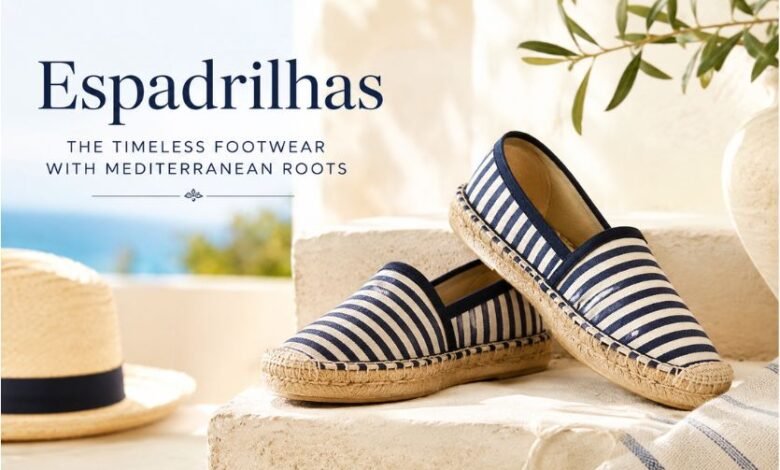
A Footwear Icon Born From Rope, Earth, and Coastal Tradition
Espadrilhas carry a quiet kind of confidence that does not rely on loud branding or complex engineering. Their charm comes from simplicity that has survived centuries, shaped by rural life, Mediterranean heat, and the steady hands of artisans who turned natural fibers into something both practical and beautiful. The moment espadrilhas appear in a wardrobe, they signal ease, summer air, and a connection to one of the oldest footwear traditions still alive in modern fashion.
What makes espadrilhas remarkable is not just how they look, but how they continue to evolve without losing their identity. From dusty village paths in the Pyrenees to luxury runways in Paris, they have crossed social and cultural boundaries while maintaining their humble essence. That duality is what keeps them relevant today.
The Historical Roots of Espadrilhas
Origins in the Pyrenees and Mediterranean Culture
The earliest form of espadrilhas is deeply tied to the Pyrenees region, where Spain and France meet. Rural communities in Catalonia, Basque Country, and surrounding Mediterranean areas created footwear suited to hot climates and rugged terrain. The design was not born from fashion ambition but from necessity. People needed shoes that were breathable, inexpensive, and made from locally available materials.
Esparto grass and jute became the foundation of espadrilhas soles. These fibers were abundant, strong, and flexible enough to be braided into durable rope. The upper portion was typically made from simple fabrics such as cotton or linen. Together, they formed a lightweight shoe that allowed workers to move comfortably during long hours in fields and workshops.
From Peasant Footwear to Cultural Identity
As centuries passed, espadrilhas became strongly associated with rural life across southern Europe. Farmers, artisans, and laborers relied on them because they were affordable and easy to replace. Over time, they became more than just practical footwear. They turned into a cultural marker of Mediterranean identity, especially in Spain and parts of France.
By the medieval period, espadrilhas were widely recognized across regions where agriculture dominated daily life. Their simplicity made them accessible, while their comfort made them indispensable. Even soldiers and traveling workers occasionally used variations of them due to their lightweight construction.
Industrial Influence and Regional Craftsmanship
During the nineteenth century, espadrilhas production began to shift from purely local craftsmanship toward more organized manufacturing. Certain towns, particularly in southwestern France, became known for refining the production process while still maintaining traditional techniques. Despite the gradual modernization, many espadrilhas continued to be handmade, preserving artisanal value.
This balance between tradition and production efficiency allowed espadrilhas to survive industrial changes that replaced many other handmade footwear styles.
Materials That Define Espadrilhas
Natural Fibers and Breathable Design
Espadrilhas are defined by their use of natural materials, which directly contribute to their comfort and sustainability. The sole, traditionally made from braided jute or esparto grass, provides flexibility while remaining sturdy enough for daily wear. These fibers are plant-based, biodegradable, and naturally suited for warm climates.
The upper portion of espadrilhas is usually constructed from cotton, canvas, or linen. These fabrics allow air circulation, reducing heat buildup and making them ideal for summer environments. The combination of rope soles and breathable fabric creates a shoe that feels light on the feet even during extended use.
Construction Techniques Passed Through Generations
The assembly of espadrilhas is a process rooted in craftsmanship. The rope sole is carefully braided and shaped, after which the fabric upper is stitched directly onto it. In traditional methods, artisans often use a strong thread known as “veta” to bind the upper to the sole securely.
This stitching process is not only functional but also symbolic of the handmade heritage behind espadrilhas. Even in modern production, many manufacturers preserve aspects of this technique to maintain authenticity.
Comfort Through Simplicity
Unlike many modern shoes that rely on complex cushioning systems, espadrilhas achieve comfort through material choice and structure. The flexibility of jute adapts naturally to foot movement, while the soft fabric upper reduces friction. This minimalistic design philosophy is one of the reasons espadrilhas continue to be favored in warm-weather fashion.
Cultural Meaning and Mediterranean Lifestyle
A Symbol of Rural Heritage
Espadrilhas reflect a way of life closely tied to land, climate, and tradition. They symbolize rural simplicity and resilience, representing communities that built practical solutions from natural resources. In many Mediterranean cultures, espadrilhas are still associated with heritage festivals, traditional clothing, and seasonal celebrations.
Influence of Artists and Historical Figures
As espadrilhas moved beyond rural environments, they found admirers among artists, writers, and cultural icons. Painters such as Pablo Picasso and Salvador Dalí were known for wearing them, reinforcing their connection to creative expression. Their adoption by intellectual and artistic circles helped elevate espadrilhas from working-class footwear to a symbol of bohemian style.
Transition Into Global Awareness
By the twentieth century, espadrilhas had already begun to appear outside Europe. Their presence in international fashion increased as travel, cinema, and cultural exchange expanded. Hollywood stars and European designers helped introduce espadrilhas to broader audiences, turning them into a seasonal fashion statement recognized worldwide.
The Fashion Evolution of Espadrilhas
From Function to Fashion
The transformation of espadrilhas from rural footwear to global fashion item is one of the most interesting shifts in fashion history. While their original design remained largely unchanged, designers began experimenting with colors, patterns, and elevated soles. This allowed espadrilhas to enter urban wardrobes without losing their rustic charm.
Designer Reinvention and Luxury Appeal
A significant moment in espadrilhas evolution came when high-fashion designers reimagined them for modern audiences. Wedge espadrilhas, in particular, became a breakthrough style that combined traditional rope soles with elevated heels. This innovation expanded their appeal to more formal and fashion-forward settings.
Luxury fashion houses began incorporating espadrilhas into seasonal collections, often using premium fabrics, embroidered designs, and refined silhouettes. Despite these upgrades, the core identity of espadrilhas remained unchanged, rooted in natural materials and handcrafted aesthetics.
Seasonal Fashion Staple
Espadrilhas are now strongly associated with summer fashion. Their lightweight structure and breathable materials make them ideal for warm weather outfits. They are commonly paired with casual dresses, linen trousers, beachwear, and relaxed urban clothing. Their versatility allows them to shift between casual daytime use and more styled evening looks depending on design.
Espadrilhas in Modern Lifestyle
Global Popularity and Everyday Use
Today, espadrilhas are worn across continents, far beyond their Mediterranean origins. Their popularity is driven by comfort, style, and sustainability. In urban environments, they are often chosen as a lightweight alternative to sneakers or sandals during summer months.
The global fashion market has embraced espadrilhas not just as footwear but as a lifestyle accessory that represents relaxed elegance.
Sustainable Fashion Movement
Modern consumers increasingly value sustainability, and espadrilhas align naturally with this shift. Their use of natural fibers and biodegradable materials makes them more environmentally friendly compared to synthetic footwear. Many contemporary brands highlight eco-conscious production methods when marketing espadrilhas.
This sustainability aspect has strengthened their position in modern fashion, especially among younger consumers seeking ethical choices.
Variations and Modern Designs
Contemporary espadrilhas come in a wide range of styles. Traditional flat designs remain popular, but modern interpretations include platform soles, wedge heels, slip-ons, and hybrid sneaker-espadrilhas combinations. Designers experiment with textures, prints, and embellishments while preserving the recognizable rope sole foundation.
Despite these variations, the essence of espadrilhas remains consistent: lightness, breathability, and natural construction.
Care, Maintenance, and Longevity of Espadrilhas
Preserving Natural Materials
Because espadrilhas are made from natural fibers, proper care is essential to maintain their lifespan. Jute soles are sensitive to moisture, which means they should be kept dry whenever possible. Exposure to water can weaken the fibers over time, affecting durability.
The fabric upper can usually be cleaned gently using soft brushing or mild cleaning solutions, depending on the material type. Allowing espadrilhas to air dry naturally helps preserve their structure.
Extending Usability Through Proper Storage
Storing espadrilhas in dry, ventilated spaces helps maintain their shape and prevents deterioration of natural fibers. Avoiding heavy pressure or stacking them under weight ensures the rope sole does not deform. With proper care, espadrilhas can last multiple seasons while retaining their comfort and appearance.
Everyday Practical Considerations
Espadrilhas are best suited for dry, warm environments. They are ideal for casual wear, travel, and leisure activities but are not designed for heavy rain or rough terrain. Understanding their limitations helps ensure they remain in good condition for longer use.
The Timeless Appeal of Espadrilhas
Espadrilhas continue to hold a unique position in global fashion because they represent both history and modernity in a single form. Their design has remained largely unchanged for centuries, yet they consistently adapt to new fashion trends and cultural contexts. This rare balance is what makes them enduring.
Their appeal lies in authenticity. While many fashion items rely on reinvention, espadrilhas thrive because they do not abandon their origins. They remain connected to the earth through their materials, to tradition through their craftsmanship, and to modern life through their adaptability.
Espadrilhas are more than footwear. They are a living example of how simplicity can survive centuries of change and still feel relevant in the present day.